
FOR PRACTITIONERS & THERAPISTS
Ecotherapy & Nature-Based Work
Therapeutic work grounded in nature, relationship, and nervous system regulation.
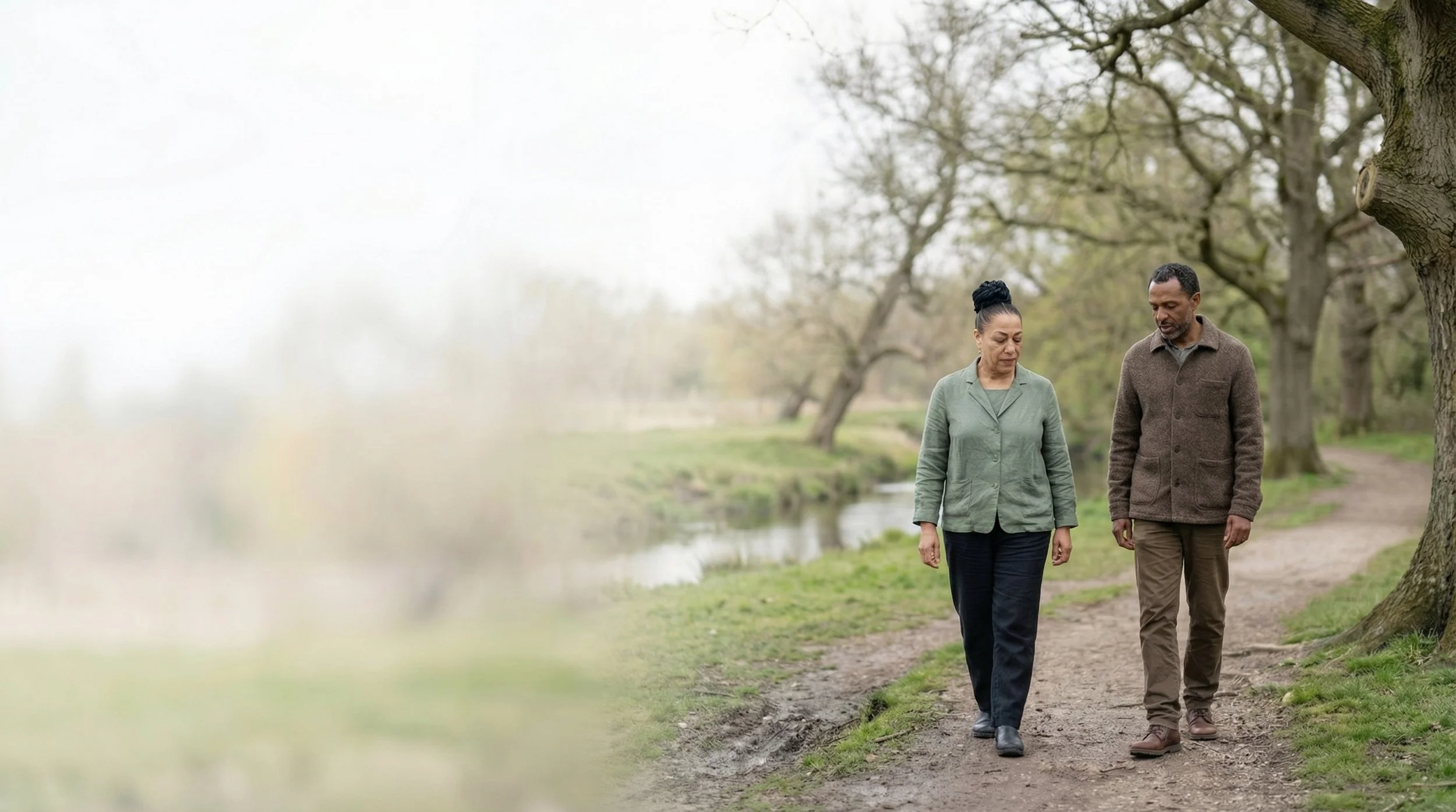
Trauma-informed psychotherapy and group work held in outdoor, natural environments — supporting regulation, connection, and embodied presence.
REGULATION

CONNECTION

EMBODIED PRESENCE

Why nature can support therapeutic work
For some people, being indoors can feel restrictive, overwhelming, or disconnected from their natural rhythms. Nature offers a different context.
Working outdoors can gently support nervous system regulation, grounding, and a sense of connection that is sometimes harder to access within four walls. The natural world can provide steadiness, perspective, and spaciousness — without asking anything of you.
Not about performance
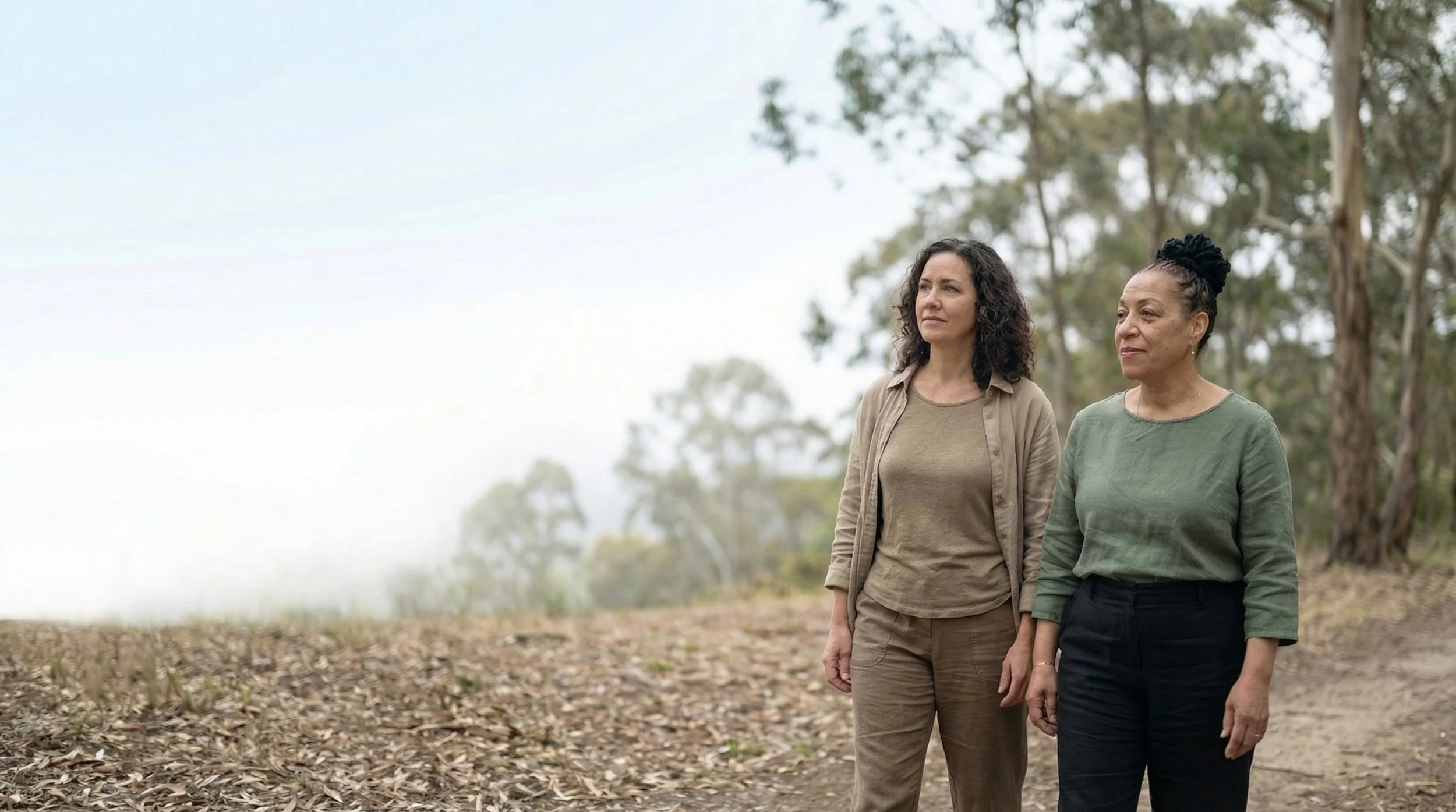
Ecotherapy is not about activity, performance, or positive thinking. It is about being in relationship — with self, environment, and others — in a way that supports safety and presence.
How this work is held
Ecotherapy and nature-based work is offered with the same care, containment, and trauma-informed principles as my indoor therapeutic work.
Sessions are paced carefully and held with attention to physical and emotional safety, choice and consent, regulation, and clear boundaries.
Nature is not used as a tool to “fix” or push change. Instead, it becomes part of the therapeutic relationship — offering support, symbolism, and grounding at a pace that feels manageable. You are never required to engage in activities, share more than feels right, or move beyond your comfort.
What ecotherapy can support
This approach can be particularly supportive when words feel insufficient or when experiences are held more in the body than in language.
Overwhelm or nervous system dysregulation
Difficulty accessing emotions or bodily awareness indoors
Burnout, exhaustion, or disconnection
A sense of being stuck or contained by indoor settings
A desire for gentler, more embodied therapeutic work
Ways of working outdoors
Ecotherapy and nature-based work may include:
One-to-one psychotherapy sessions
Mindfulness-based ecotherapy groups
Slow, reflective walking or seated work
Attentive engagement with the environment
Sessions are not physically demanding and do not involve hiking, fitness, or exposure-based challenges. The emphasis is on presence, pacing, and relational safety.

Choice and consent
Choice is central to this work.
You can decide whether ecotherapy feels right for you, how you engage with the environment, and what feels safe to explore.
Always Invitational
Nature-based work is always invitational, never prescriptive.
Practical information

Availability
Ecotherapy is offered in person only.
Sessions take place seasonally
Available Spring through Autumn

Location
Local natural spaces.
Quiet commons or parkland
Details discussed in advance

Considerations
Comfort and access.
Weather is considered collaboratively
Brief intake completed beforehand
Weather, accessibility, and comfort are always considered collaboratively.

An invitation
If you are interested in ecotherapy or nature-based group work, you are welcome to get in touch.
We can begin with a conversation to explore whether this way of working feels supportive for you — without pressure, and at a pace that feels right.